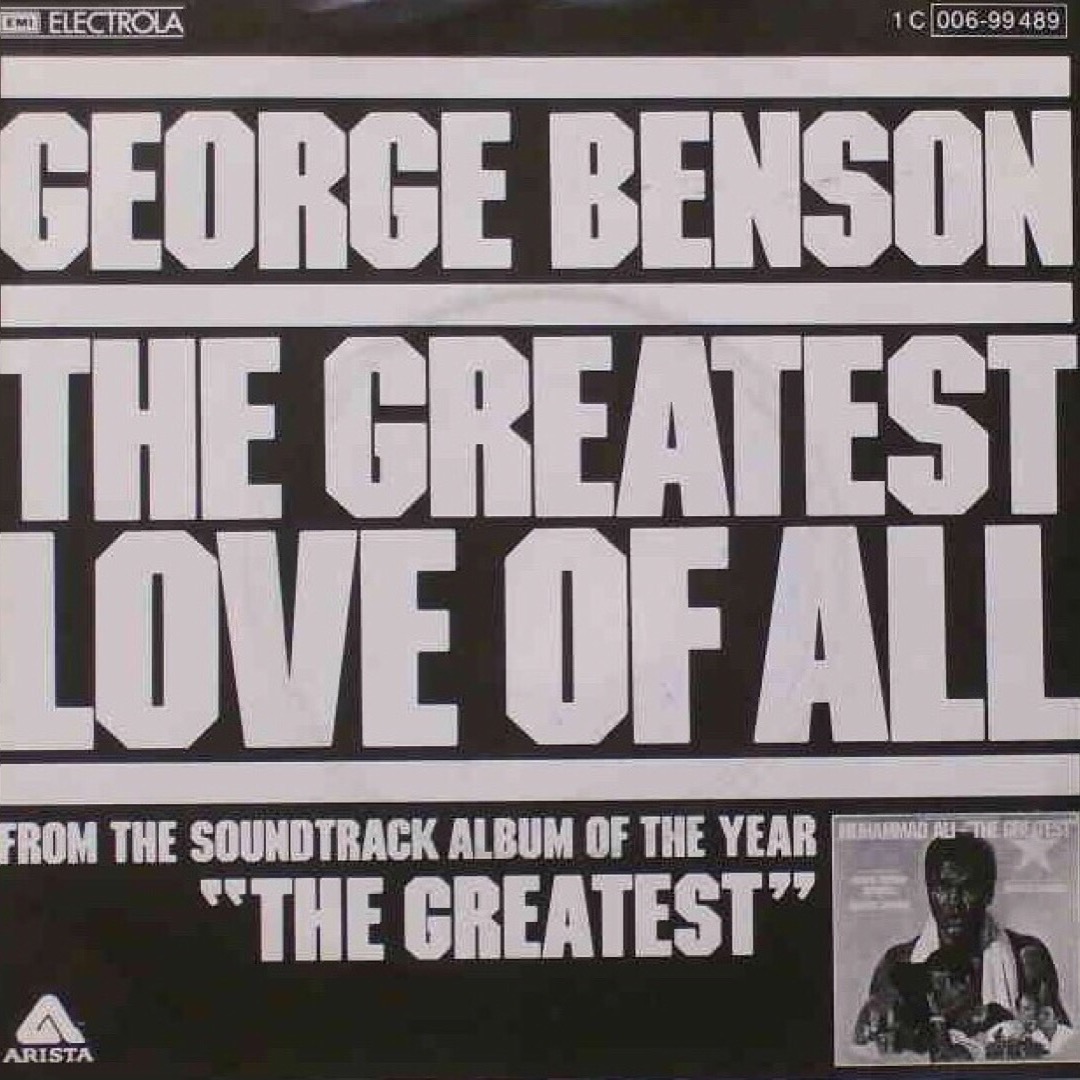
#TheGreatest
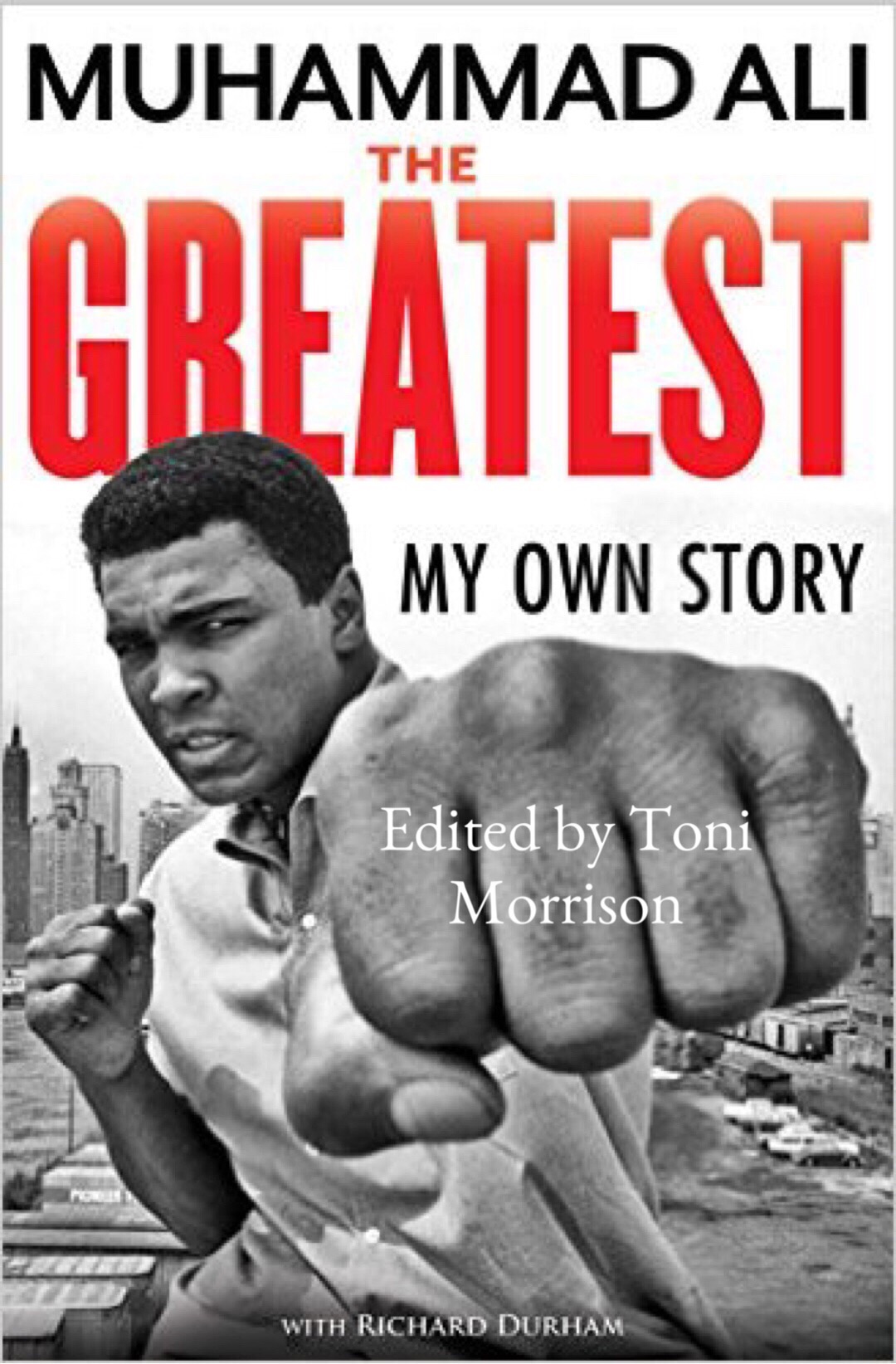
G.O.A.T. (Re-Post)
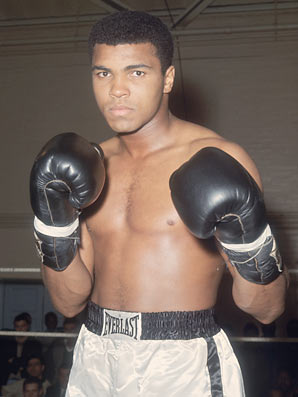
By the time I was aware of anything going on in my life and in the world, Muhammad Ali was ending his career and thus very far from his glory days. I have no idea how I became aware of him, saw him as the Greatest of All Times (G.O.A.T.) as he said of himself, and an avid fan. I read a great deal about him, mostly about his years as Cassius Clay, his joining the Nation of Islam and taking the name Muhammad Ali, his refusal to fight in Vietnam, and his first fight against George Foreman.
I’ve been thinking a great deal about Ali lately because I want to visit the Muhammad Ali Center in Louisville, Kentucky but doubt that there’s enough time this summer to go. Recently, I bought a poster with a photo of Ali with his answer to the question how he would like to be remembered:
I’d like to be remembered as a black man who won the heavyweight title; who was humorous; and who never looked down on those who looked up to him; a man who stood for freedom, justice, and equality; and I wouldn’t even mind if folks forgot how pretty I was.
I chose the poster primarily because I liked that he wanted to be remembered as someone “who never looked down on those who looked up to him.” For me, this sentiment testifies to my view of someone I regard as highly principled (except when it comes to women…with women, Ali was about as patriarchal as they come). I find it very hard to lack admiration for people who are willing to risk something important to them because of their principles (though this does not include those people who harass women at abortion clinics and kill doctors and nurses; their actions are less matters of principle and more about intolerance and intractable ideology masquerading as principle).
Given the respect and admiration that I have for Ali, I am not dismissive of his limitations. As I noted above, he was most certainly a womanizer. At the same time, when I read the Introduction to my favorite sports writer Gerald Early’s The Muhammad Ali Reader I was offended by it and thought it unnecessarily cruel regarding several aspects of his discussion of Ali. After diminishing the value of Ali’s refusal to serve in Vietnam and finding his rationale unconvincing, Early writes, “Ali, despite all the talk of his brilliance, was not a thoughtful man. He was not conversant with ideas. Indeed, he hadn’t a single idea in his head, really” (XI). According to Early, Ali’s lack of “brilliance” and thoughtfulness depends on very formal terms of education. For example, the first sentence in Part Two of the Introduction begins, “Muhammad Ali could barely read. He certainly never read books” (XV). While I am a strong advocate of reading, the texts that I include as legible extend beyond the printed word. Due to enslavement, scores of black Americans could not read letters, but they could certainly read their world; where they might find safety and shelter; who they might trust. In my lifetime, I knew people who lacked formal education but were expert observers of the doctors and nurses whose care they were under; they could read when they were being insulted; they could help their children with their homework by encouraging their curiosity and providing all the tools they needed to support and supplement their schooling. So while Early contends that Ali didn’t read books, I have read scholars whose writing, specifically about black folk, suggests they don’t think too much about what they have read, how they have read, and what they then say about black people. For example, one scholar writes this in the last paragraph of her examination of the Tuskegee Syphilis crimes:
There is widespread anger that the criminal courts never meted out punishment to those still alive who established and perpetuated it. That kind of judicial assessment is impossible to provide now, if it ever was possible.
Why might it never have been possible to render justice in the wake of crimes against those men and their families in the Tuskegee case? How could those complications have been more difficult than rendering justice in the aftermath of World War II? Somehow, the world figured that out. As far as I’m concerned this endowed history professor hasn’t read her history very well.
Early goes on to write that what “fascinated Ali, like many of the poorly educated, was the authority of books or their failure as authority” (XV). Seems to me that analytical minds would most certainly engage in the question of “the authority of books or their failure as authority.” In part, this investment is what was central to the “canon wars” in the 1980s and it’s certainly at the heart of debates concerning what should be taught in compulsory education.
While Early admits that with respect to Ali, no measure exists to identify “the range of his curiosity or his humanity,” this meager compliment in no way compensates for the preceding insults:
Ali scored a 16 on the Army intelligence tests, indicating that he had a low IQ. A man of his wit and quickness could not be that dumb, we protest. Yet I think the score was an honest reflection of Ali’s mental abilities. Ali was not literate, nor was he analytical. (XV)
In a single paragraph, Ali goes from being “barely” literate to illiterate and Early actually considers the results of the Army’s IQ tests reliable markers of anything meaningful? There are numerous accounts of men feigning mental and physical illness, performing poorly on IQ tests, and fleeing to Canada among other ways of escaping the draft. Leaving out these historical details or stacking the deck in favor of his own conclusion has greatly impacted my appreciation of Early’s work. Though I purchased The Muhammad Ali Reader when it was first published in 1998, I have yet to read beyond the Introduction because I don’t think I can trust the choices made regarding the essays Early selected.
Despite the many aspersions Early casts against Ali, I still think he “shook up the world” for the better.
Spelman College 129th Commencement
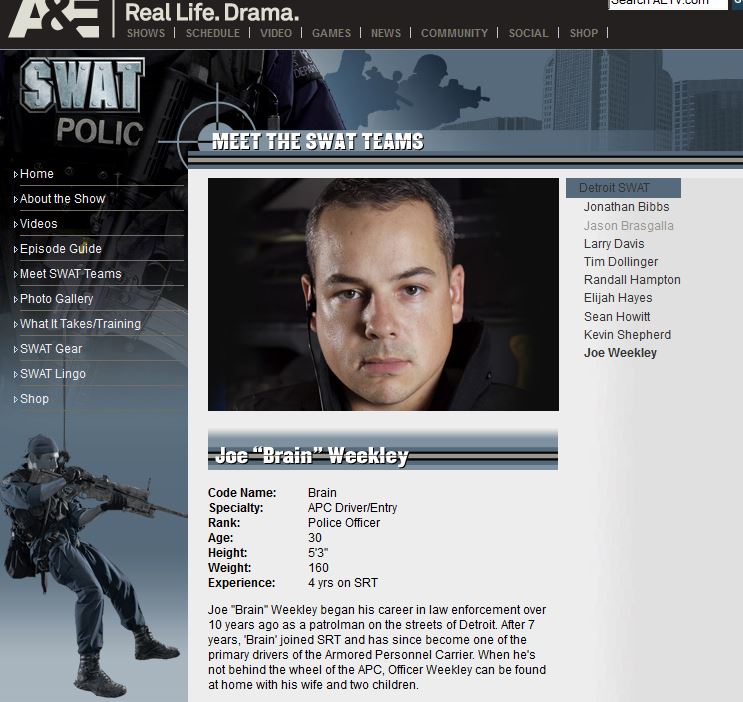 Spelman College held commencement yesterday. Loretta Lynch gave the commencement address. Six years ago today, Detroit Police Officer Joseph Weekley killed 7-year-old Aiyana Stanley Jones. Now, I fully understand that yesterday, we staged a protest.
This…
“Either you read or you suffer.”
-Walter Dean Myers
Black Boys:The Height Challenge
“Technically, legally speaking, yes, Trayvon was a child. But most of us don’t think of a five-foot-eleven seventeen-year-old, especially one who clearly punched Zimmerman squarely in the face as a child. Floridians don’t–they send kids younger than that to prison for life without parole sentences in record numbers. Either way, the issue was a distraction, a desperate new last-ditch effort to gain sympathy for ‘the victim’ […]” –Lisa Bloom, Suspicion Nation

…and Lisa Bloom sympathizes with Trayvon Martin’s family and their supporters (smh)
This Unholy Sorority of Misery
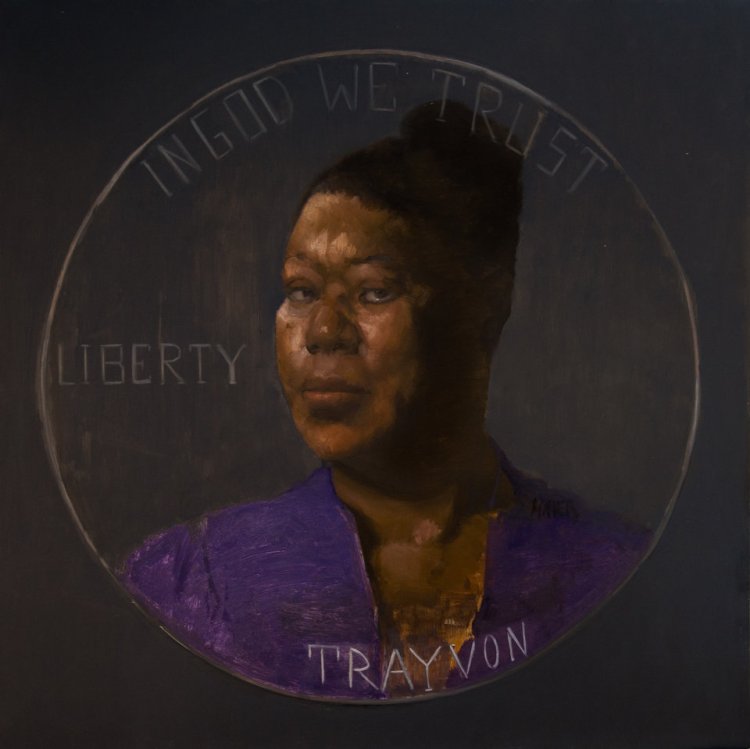 “Each of Sylvia Maier’s] portraits is rendered against the outline of an American coin, the words “In God We Trust” and “Liberty” etched alongside the name of the child unlawfully killed. The juxtaposition of the nation’s identifiable ideals and the lived reality of discrimination and suffering so many Americans are forced to face is haunting.”
Title: Frank X Walker, “Sorority Meeting” in Turn Me Loose: The Unghosting of Medgar Evers
Jillian Kaye’s Art
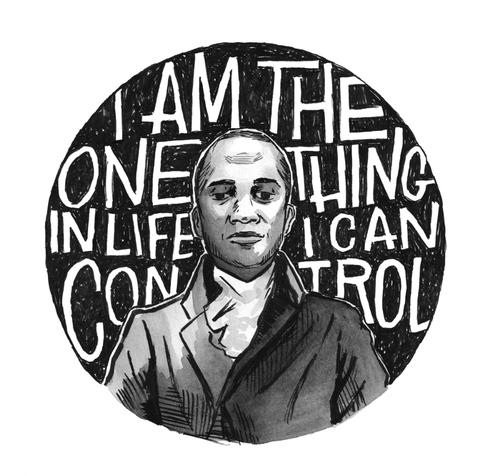
I grabbed Jillian Kaye’s illustration from her website, http://jilliankayeart.com/illustrations/, showing a pen and ink drawing of Leslie Odom, Jr. as Aaron Burr in the Hamilton musical. My print arrived yesterday in a beautiful hand lettered envelop that added an unexpected pleasure to purchasing “Wait For It.”
Don’t Dance with Your Jailer
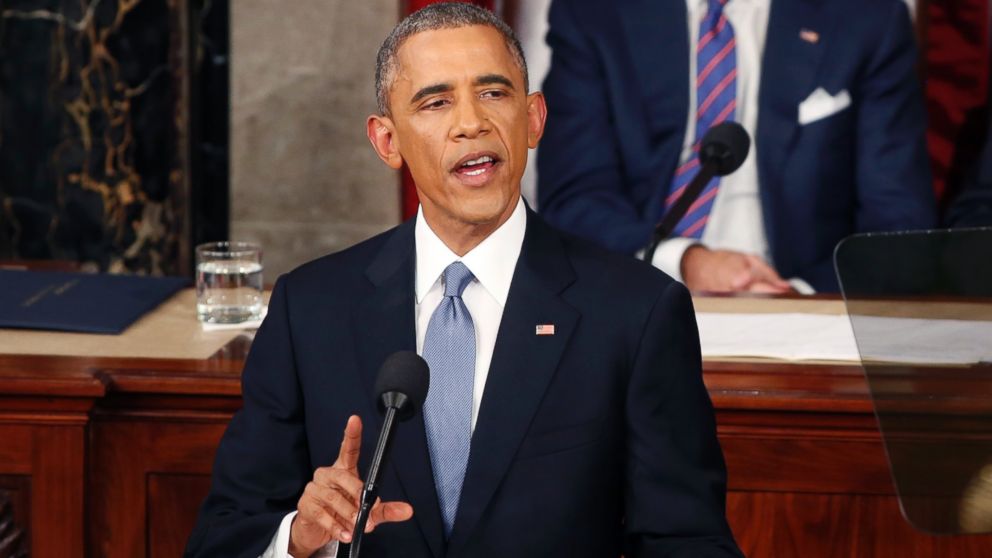
“Could Obama, with that first-class intellect to go with a first-class temperament, with that pitch-perfect sense of humor, have been a better schmoozer and deal maker? Certainly. He was never very good at hiding his condescension for Republican leaders. But that party was united in a single goal — to defeat him at every turn.” Timothy Egan, The New York Times
If you reason in the way that Timothy Egan does, you would never be free. The terms of Egan’s logic require a person to press against never on towards the hope of maybe. Why? Were Barack Obama to accept Egan’s advice, he would be writing his own bill of sale: To think that any (wo)man should “better schmooze” with those committed to their defeat is too broken to lead.
Whether President Obama or any other black man or black woman, no free person should sacrifice their dignity and decency for the sake of a “deal.” When confidence and competence disturbs a self-designated opponent, their frustrations are misplaced. Racial logic is the only form that equates capability with “condescension.” President Obama was being very gracious when he accepted responsibility for the rabid rancor that characterizes our national mood. Despite his grace, the national mood isn’t the President’s fault, that burden belongs to Congress.
To Look Like Trayvon in Amsterdam
One mother reflects on love, race, and home: http://www.matermea.com/blog/black-moms-abroad-racism-abroad
Marly Pierre-Louis with her son Sekani. (Photos Credit: Pierre-Louis)
 In Reverie Blog